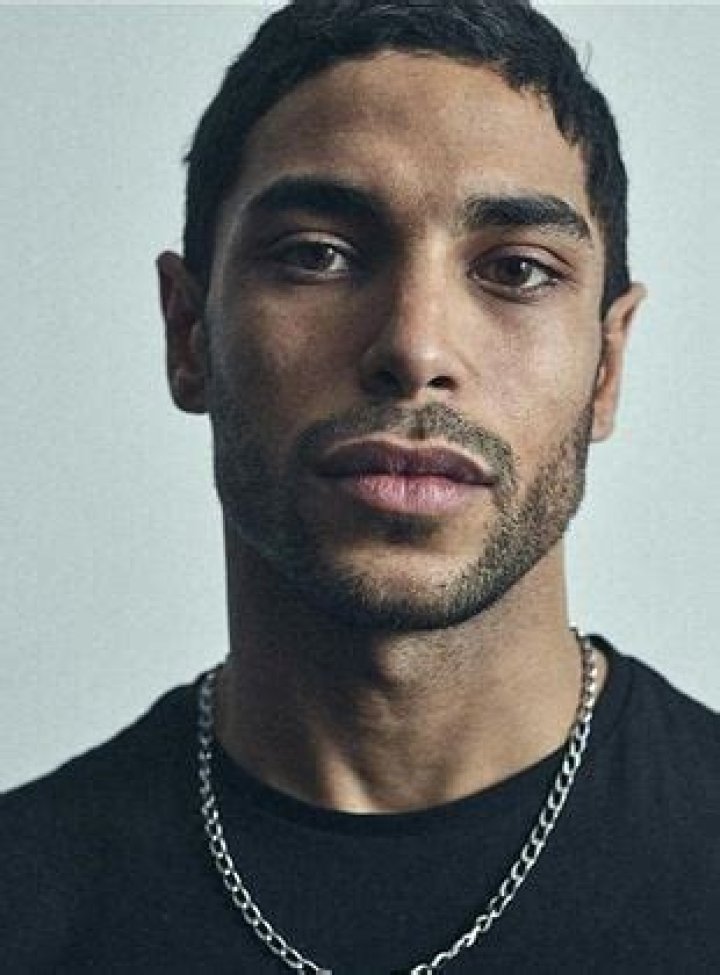
Hunter Schafer and Jeremy O. Harris Break Down "Euphoria," Rue, and Writing Queer Characters

Sarah Duran
Updated on March 26, 2026
Jeremy: The acting is always tied to the writing. I’m constantly embodying as I write. The only way I know if something is or isn't good is if those acting muscles are being activated by the words I’m writing or the situations the characters are in. I think that ideas come from the body more so than they come from the world.
Hunter: I feel that. Before I knew I was any type of queer, trans, or anything, all I used to draw was who I wanted to be.
Jeremy: Wow. I love that you drew Hunter into existence in a way. You’re drawing a Hunter that people, at least from where we come from, would refuse to see.
Hunter: In an interview, you said you were a fantasy nerd growing up and that sci-fi still helps you make sense of the current moment. In what ways does imagining or inhabiting other worlds help you make sense of not only the here and now, but also things that are happening elsewhere, that aren’t right in front of you?
Jeremy: Most of my favorite science fiction is speculative science fiction. It’s not Star Trek or Star Wars that I’m excited by. It's Parable of the Sower. It’s the Octavia Butlers, the Sam Delaneys. It’s people who are imagining spaces of identity, spaces of being, or worlds that are just five steps ahead of us.
Part of the reason for that is, when I was growing up, I was basically supposed to be a preacher. When you grow up Black and queer and in the church, people are always just like, “Well, you seem to have a lot going on that we can't make sense of and that feels spiritual. So let's just push you toward the church.” James Baldwin wrote about that beautifully.
When I realized that [writing] was what I wanted to do, I didn’t abandon that sense of spirituality or that sense of the unknown being knowable. The ways that I make my unknowables knowable is by writing new futurities for myself. By looking at those futurities, I feel like I can make sense of the now. When people looked at Slave Play super literally, it was so annoying to me because I was like, “Don't you see that this is a futurity?” It's not necessarily a “now.”
Hunter: Having faith in the unseeable and being on a journey to know that it’s there, to really feel it and believe in it, takes time before there’s a confirmation. I remember that because my dad’s a pastor, so I grew up in the church too.
Even when I was first starting to get to know other trans people, it was this process of unlearning how I saw people and registering that I was putting it through a filter of, “Oh, they look like this. They’re a man.” Instead, I learned to see them for the energy that they're giving or what they're saying they are.